
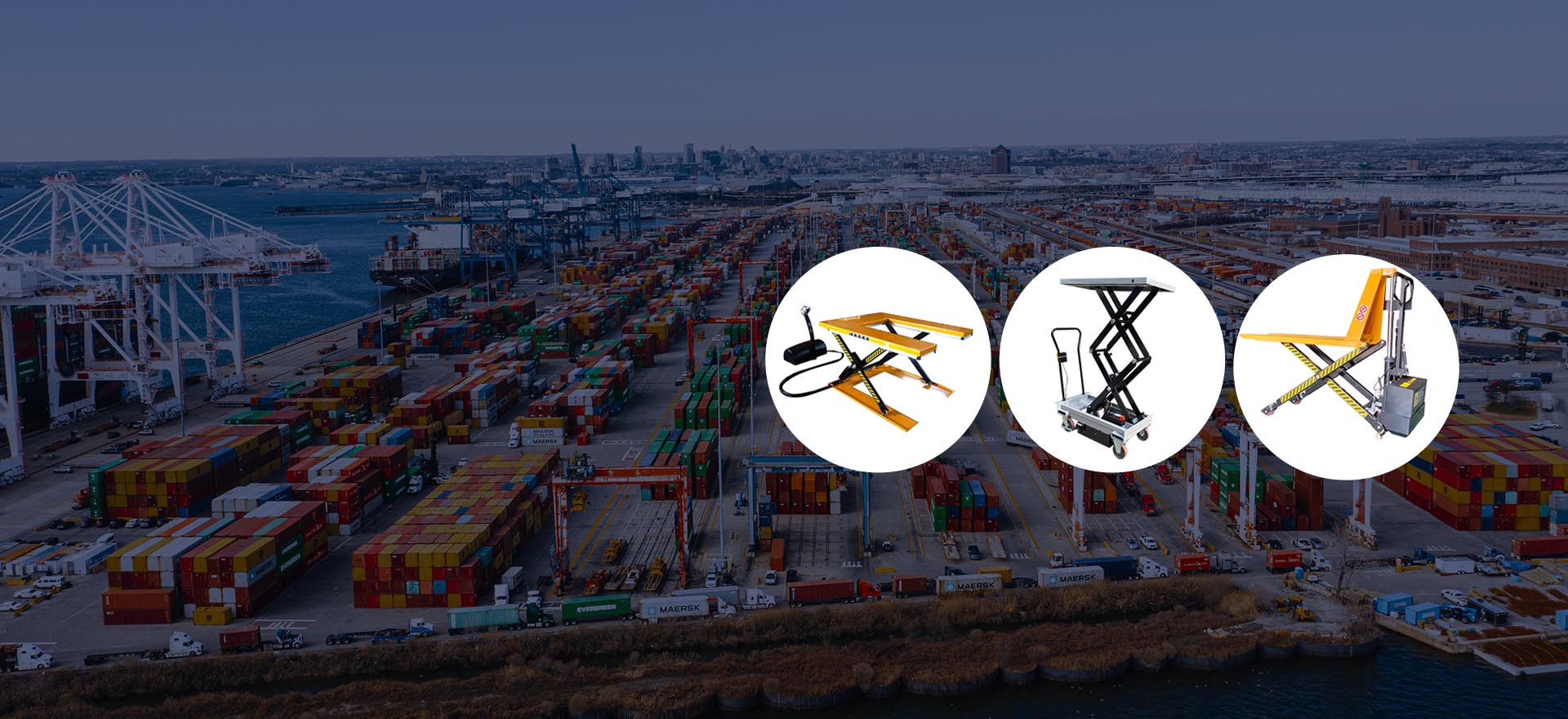





Logistics equipment is indispensable in the supply chain, ensuring efficient storage, movement, and delivery of goods. It enhances productivity, safety, and operational efficiency while reducing labor costs and potential for damage or loss.
Challenge 1: Automation Integration Becomes Critical
As we move further into the age of Industry 4.0, the integration of automated systems in logistics equipment is becoming increasingly critical. Companies are expected to invest more in technologies such as robotics, AI, and IoT to improve efficiency, reduce manual labor, and increase precision in their operations. The challenge lies in finding the right balance between automation and human labor, ensuring seamless integration of new technologies into existing workflows, training staff to use these new tools effectively, and managing the high upfront costs of automation.
Challenge 2: Environmental Sustainability Becomes a Mandate
With increasing awareness of climate change and environmental degradation, businesses are under more pressure to reduce their carbon footprint and adopt sustainable practices. This presents a challenge for logistics equipment manufacturers to design and produce machines that are energy-efficient, utilize renewable or less-polluting energy sources, and are made from sustainable materials. Implementing green practices across the manufacturing process, from sourcing materials to disposing of or recycling old equipment, will also be a significant challenge.
Challenge 3: Compliance with Increasing Regulations Becomes Tougher
As governments and industry bodies implement more stringent safety and environmental regulations, logistics equipment manufacturers and operators will have to stay updated with these laws and ensure full compliance. This could involve significant time, resources, and changes in manufacturing processes or operating procedures. Non-compliance could lead to fines, penalties, or reputational damage.
Challenge 4: Adapting to Evolving Consumer Demand Becomes the Norm
As consumer preferences evolve, so too does the demand for goods and the ways they need to be delivered. This could mean a greater need for customized logistics equipment solutions, the ability to handle smaller, more frequent deliveries, or the capability to manage reverse logistics for returns. Keeping up with these changing demands will be a challenge for the logistics equipment industry.
Challenge 5: Maintaining Competitiveness in a Global Market Becomes More Difficult
The logistics equipment industry is a global one, with manufacturers, suppliers, and consumers spread across the world. This means companies have to compete on a global scale, dealing with challenges like fluctuating exchange rates, geopolitical uncertainties, trade regulations, and differing standards and regulations in each country. Staying competitive in this environment will be a significant challenge.
Challenge 6: Skilled Labor Shortage Continues to Grow
Despite the push towards automation, there's still a need for skilled human labor in the logistics equipment industry. However, many companies are facing a shortage of such labor. This challenge is twofold: attracting new, young talent to the industry, and providing them with the necessary training and skills development.
Challenge7: The Need for Cybersecurity Measures Intensifies
As logistics equipment becomes more connected thanks to IoT and other technologies, the risk of cyberattacks also increases. Protecting sensitive data and ensuring the integrity of automated systems is crucial to prevent disruptions, financial loss, and damage to reputation. Implementing robust cybersecurity measures will be a major challenge.
Challenge 8: The Pressure to Innovate and Stay Ahead Increases
To stay competitive, logistics equipment companies need to continually innovate, developing new products and improving existing ones. This requires substantial investment in research and development, keeping up with the latest technological trends, and finding ways to differentiate themselves from competitors.
Challenge 9: Demand Fluctuations Become More Unpredictable
Global events like pandemics, natural disasters, or economic crises can cause sudden and unpredictable changes in demand for logistics equipment. These fluctuations can be challenging to manage, requiring flexible production and supply chain strategies.
so Logistics equipment is pivotal for a streamlined, cost-effective, and reliable supply chain, bolstering productivity and safety.
About us
Zhejiang Jiasheng Machinery Manufacture Co.,Ltd. is a professional logistic equipment manufacturer in China for more than 15 years, which has several senior and intermediate technicians and engineers with excellent professional ability. Our company focuses on inventing, manufacturing and sales of Logistics Handling Equipment, Commercial Handling Equipment, a variety of Non-standard Customized products.
Our company has been striving and innovating in the industry for decades, while sticking to promote the development of the industry.
Our company has been adhering to innovation, has a number of product patents, inventing a variety of Electric Lifting Platform (such as Stationary Lifting Platform, Mobile Lifting Platform, Shear-fork Type Lifting Platform, etc), Aerial Work Platform, Aluminum Alloy Lifter, Mobile Platforms and different kinds of Pallet Trucks (such as Shear-fork Type Pallet Truck, Electric Pallet Truck, Self-induction Electric Pallet Truck, Stainless Pallet Truck, etc.) and so on.
Zhejiang Jiasheng Machinery Manufacture Co.,Ltd. is a professional logistic equipment manufacturer in China for more than 15 years.

No.17Changtai Street , Changkou Industry Park, Fuyang District, Hangzhou city, Zhejiang Province

+86 18058703388

WhatsApp: KK Chen
